|
| |
9.8.2026
|
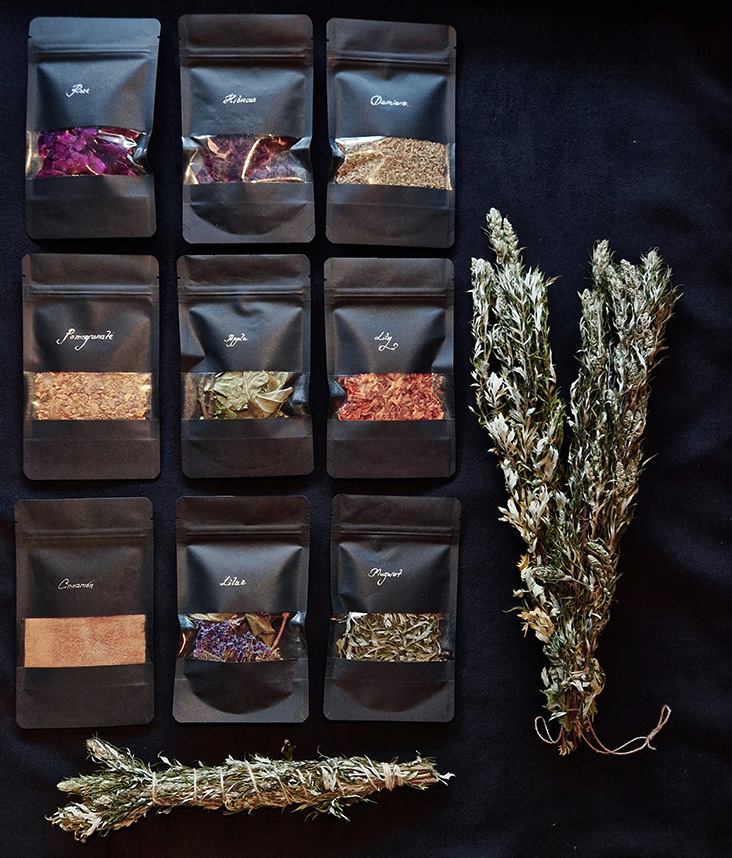
Lilith Herbal Collection - 9 Sacred Herbs + Mugwort incense bundle |

|
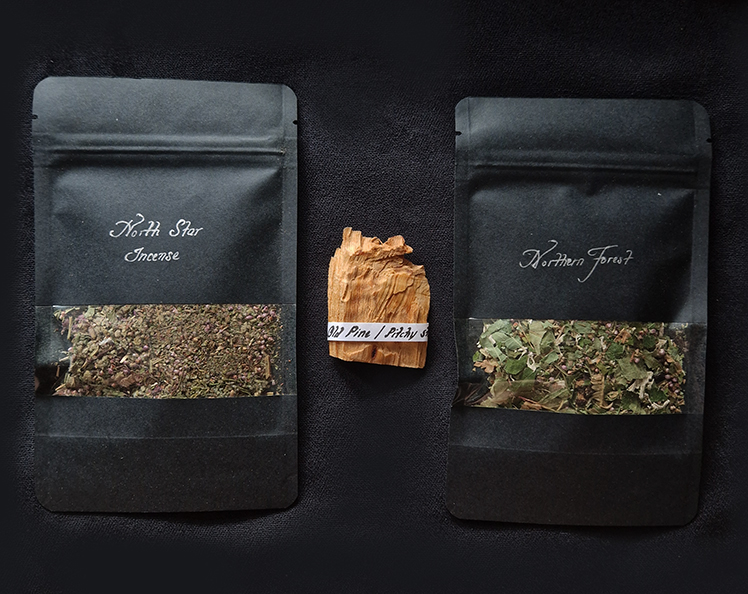
Northern Star & Northern Forest - Incense Set |
|
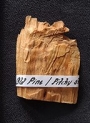
Pinewood incense stick |
|
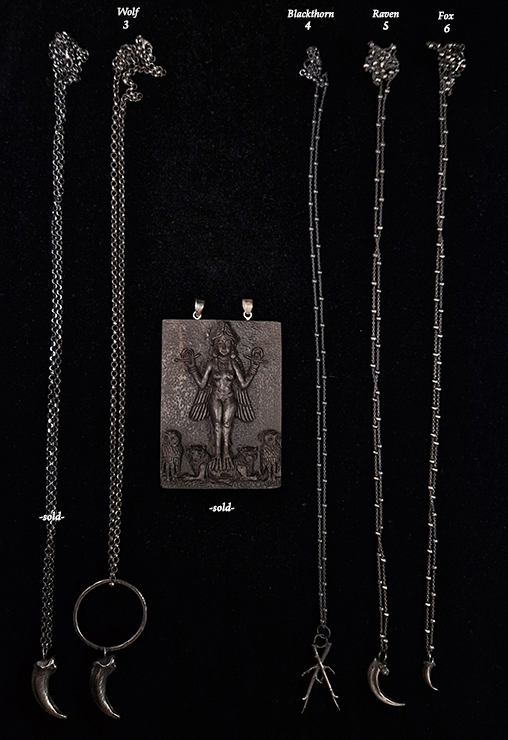
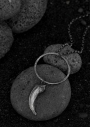
Hati - ecliptic necklace |
|
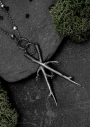
Cailleach - Blackthorn necklace |
|
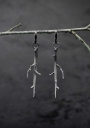
Straif - Blackthorn earrings |
|
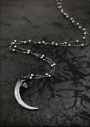
Forni - necklace |
|
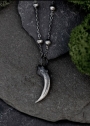
Fylgja - necklace |
28.7.2026
|
We have added a number of Gullveigarbók Regular Edition copies to the website with minor cosmetic imperfections. These imperfections may consist of a small scratch on the cover or a minor flaw within the book. The books are otherwise fully intact and perfectly readable.
| |

|
G U L L V E I G A R B O K ( S E C O N D S )
Ekortu 50 euros  
(Normal price: 59€)
The book has a minor cosmetic imperfection, such as a small scratch on the cover or a slight flaw inside the book. These are minor aesthetic imperfections only and do not affect the content or usability of the book. She is known as the black underworldly crone and giantess of the black anti-cosmic runes and magic, who comes at midnight up from under the ground and walks between houses to visit the practitioners of the black arts (or fjölkunnigr, as they were called), to teach them about the black runes and anti-cosmic magic. She is known as first wife, or mistress of Loki. Her names are many, amongst which the most well-known ones are Gullveig, Heiðr, Aurboða, Angrboða and Hyrrokin. She was looked upon as an evil woman, "illr kona", and the mother of all trolls, "flagð", troll being the Old Norse term for malignant and bestial demons, viewed upon as a thurs-kin, which are often dwellers of the forests, mountains and the underworld. The book explores Gullveig through Old Norse mythology, sagas, Witchcraft & Poetry, which also includes descriptions of related giants and underworldly locations connected to her, such as: Loki, Jørmungandr, Fenrir, Hel; Jøtunheimr, Helheimr, Niflheimr, and much more. The Gullveigarbók gives the student a wide overview, explaining the darker side of Norse mythology as a whole, making it an important work for readers searching for knowledge concerning this before seldom explored aspect of Northern Spirituality. The latter part of the Gullveigarbók book is called Fjølkyngi, witchcraft, and holds the esoteric aspects and praxis of the author's own witchcraft as connected to the Thursatru Tradition - Þursatrú siðr - and divulges aspects of the author's magical Gullveig workings. This part of the book also introduces students to how the Gullveig sigils, or bindrunes are to be employed. Regular edition: Hardcover book, black cover stamped with golden Utgarða-Heiðr rune, black endpapers. Fully illustrated, 371 pages including a fold-out map of Heldrasill, the underworld. Third printing 2025. Third printing of 600 copies. The copy may have a minor cosmetic imperfection, such as a small scratch on the cover or a slight flaw inside the book. These are minor aesthetic imperfections only and do not affect the content or usability of the book. |

|
T H U R S A K Y N G I - V O L U M E 1 - B O O K ( S E C O N D S )
The Essence of Thursian Sorcery Ekortu 59 euros
The book has a minor cosmetic imperfection, such as a small scratch on the cover or a slight flaw inside the book. These are minor aesthetic imperfections only and do not affect the content or usability of the book.
Volume I is the first book of in this set of Thursatru Grimoires and presents outline for the foundation in Thursatru Tradition. This book will be for the Seekers of the Giant's Path; those that seek the ancient wisdom through the experience and Illumination of the forces of Chaos. The main topics in this series of books will focus spiritual workings, rune mysteries, practical sorcery, High Thursian Magic, religious aspects and worship of the divinity of Nifl and Muspell, interpretation and understandings of the Norse mythology and gigantology, Hel-workings, synthesis of pre-Christian Norse, gnostic and LHP perspectives, lycanthropy and different forms of shape-shifting within the Hamr-workings and much more, manifesting a practical path of the religio-sorcerous cult of the titanic forces referred to as Thurses. Thursatru is a new progeny of the old pre-Christian Norse religion, mythology and gigantology, serving here to manifest the impulses striving to overthrow the limitations of cosmic creation. The first book will be an offering and dedication to the primordial powers beyond the ordered universe. May the Flames of Surtr be the essence of this book and the Poisonous Blood of Aurgelmir flow as and through its ink. Regular edition: Hardcover book bound in black leatherette, cover embossed with a Sword and goldfoiled with a Dragon stamping, black endpapers. 279 pages including 20 pages glossy photograph chapter. |
6.5.2026
|
The release of Gullveigarbók has now come to its conclusion. Alongside the regular editions, a final series of | |
)
|
G U L L V E I G A R B O K - R E D L E A T H E R B O U N D E D I T I O N
Ekortu Discounted -20% For orders and inquiries, contact orders@ixaxaar.com
Limited edition of 11 copies.
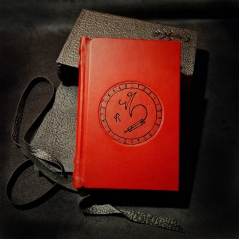
Leatherbound edition bound in striking bloodred leather. Full leatherbound hardcover edition with four raised bands and black handmade endpapers, the leatherbound book comes inside a protective slipcase. The frontcover of the book has been foil-stamped with a Kemir bindrune pressed on a separate leather batch which has been sunken into the cover; the front cover and spine have been foil-stamped with black foil. Each book includes a set of six artworks printed in white ink, creating a shimmering, silvery effect on premium black 250gsm cardboard, presented in a sleek black envelope adorned with a black foiled bindrune. The genuine leatherbound edition further includes an exclusive additional poster, “The Heldrasill” (the world tree), unavailable in the standard Red Special Edition. |
)
Leatherbound Editions shown side by side: Red Edition limited to 11 handmade books, Black Edition limited to 21 handmade books with slipcases.
)
Bloodred leatherbound edition with handmade slipcase |
)
Handmade wrapping-style slipcase made of grainy goatleather |
)
Handmade black Cave-paper endpapers with stone-like texture |
)
|
)
|
)
Each book includes a set of six artworks printed in white ink, presented in a sleek black envelope. |
)
Handnumbered edition, strictly limited to 11 copies |
